

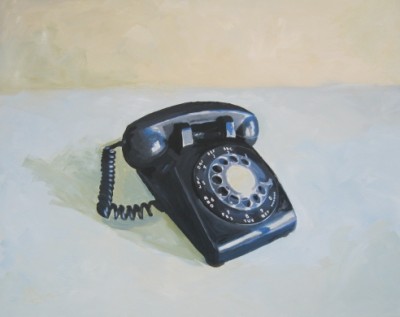
Call Me by Alice Flynn on Zatista.com
When it comes to fine arts painting, most artists tend to use one of two types of paint: oil or acrylic. Comparing the two, oils have tradition on their side, but acrylics offer many advantages, such as fast drying time, and bright, vibrant colors.
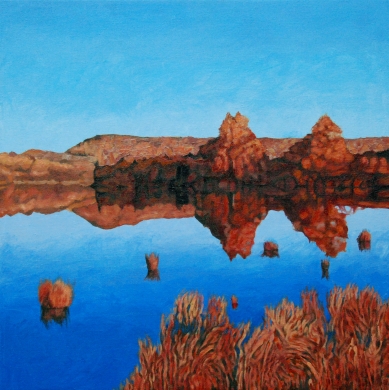
Fall Reflections, South Boundary Lake by Allan O'Marra on Zatista.com
Acrylic paint tends to be opaque versus transparent, and it can sometimes look flat on the canvas. However, there are many additives and techniques that artists can use with acrylics to achieve various degrees of transparency, making it possible to create effects that are very similar to oil or even watercolor painting.
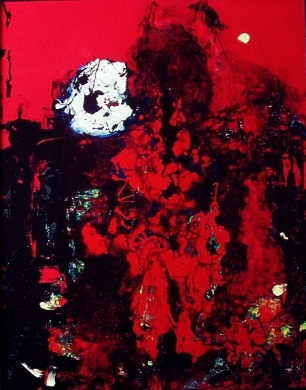
Coarse Air by Steven Sickles on Zatista.com
Artist acrylics have only been on the market since the late 1940s, and were first developed by Sam Golden of Golden Artist Colors. The Liquitex Company followed with the invention of the first water-based acrylics in 1955. These two companies remain among the most popular and successful distributors of acrylics today.
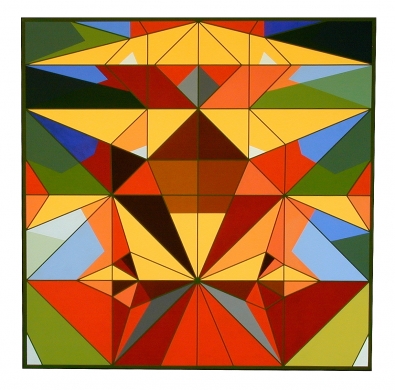
Butterfly by Michael Begenyi on Zatista.com
As with artist preference, most art collectors have a preference as to what type of paintings they like to buy. There are some purists who believe that regardless of subject matter or provenance, oil paintings are always more desirable than acrylic. It’s true that oil paints have been around for a lot longer than acrylics and have had more time to establish a reputation, but many in the art industry believe that in the right hands, one medium is just as good as another. In the end, it all boils down to personal taste.
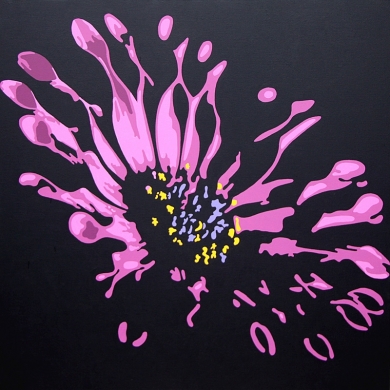
Pink Flower by Simon Fairless on Zatista.com
Many prominent artists of the past have chosen acrylics as their medium of choice. Modern masters like Mark Rothko and Andy Warhol created works of great depth and lasting impact using acrylics. So, the next time you are in a museum – or browsing Zatista for the perfect piece for your own home gallery – don’t judge a painting by its materials. Just say yes to acrylics!
Brian Sylvester is a guest blogger on WallSpin, and an artist on Zatista.
Related articles
- 10 Ways to Make a New St(ART) (zatista.com)
- A Walk in the Park (zatista.com)

Comments (0)